I'll create an informational SEO article about "Internet Marketing For Complete Beginners" in British English with all the requested elements. Before proceeding, I'd like to gather some relevant images and videos to enhance the article.



Now I'll create a comprehensive SEO article about "Internet Marketing For Complete Beginners" in British English with all the requested elements.
Internet Marketing For Complete Beginners: A Comprehensive Guide 2025
Introduction to Internet Marketing
In today's digital world, establishing an online presence is no longer optional for businesses—it's essential. Internet marketing offers unprecedented opportunities for entrepreneurs, small business owners, and aspiring marketers to reach global audiences with minimal investment. If you're new to the digital landscape, this comprehensive guide will walk you through the fundamentals of internet marketing, providing you with the knowledge and tools needed to start your online marketing journey.
Internet marketing, also known as digital marketing, encompasses all marketing efforts that use electronic devices or the internet. Unlike traditional marketing channels such as billboards, print ads, and television commercials, digital marketing allows for precise targeting, real-time data analysis, and direct interaction with potential customers.
Internet marketing presents numerous advantages for beginners, including cost-effectiveness, global reach, measurable results, and the ability to engage with audiences in real-time. Whether you're promoting a product, service, or personal brand, understanding the fundamentals of internet marketing is your first step toward digital success.
What is Digital Marketing for Beginners
Digital marketing refers to the promotion of products, services, or brands through electronic media channels. For beginners, it's important to understand that digital marketing consists of various components that work together to create a comprehensive marketing strategy.
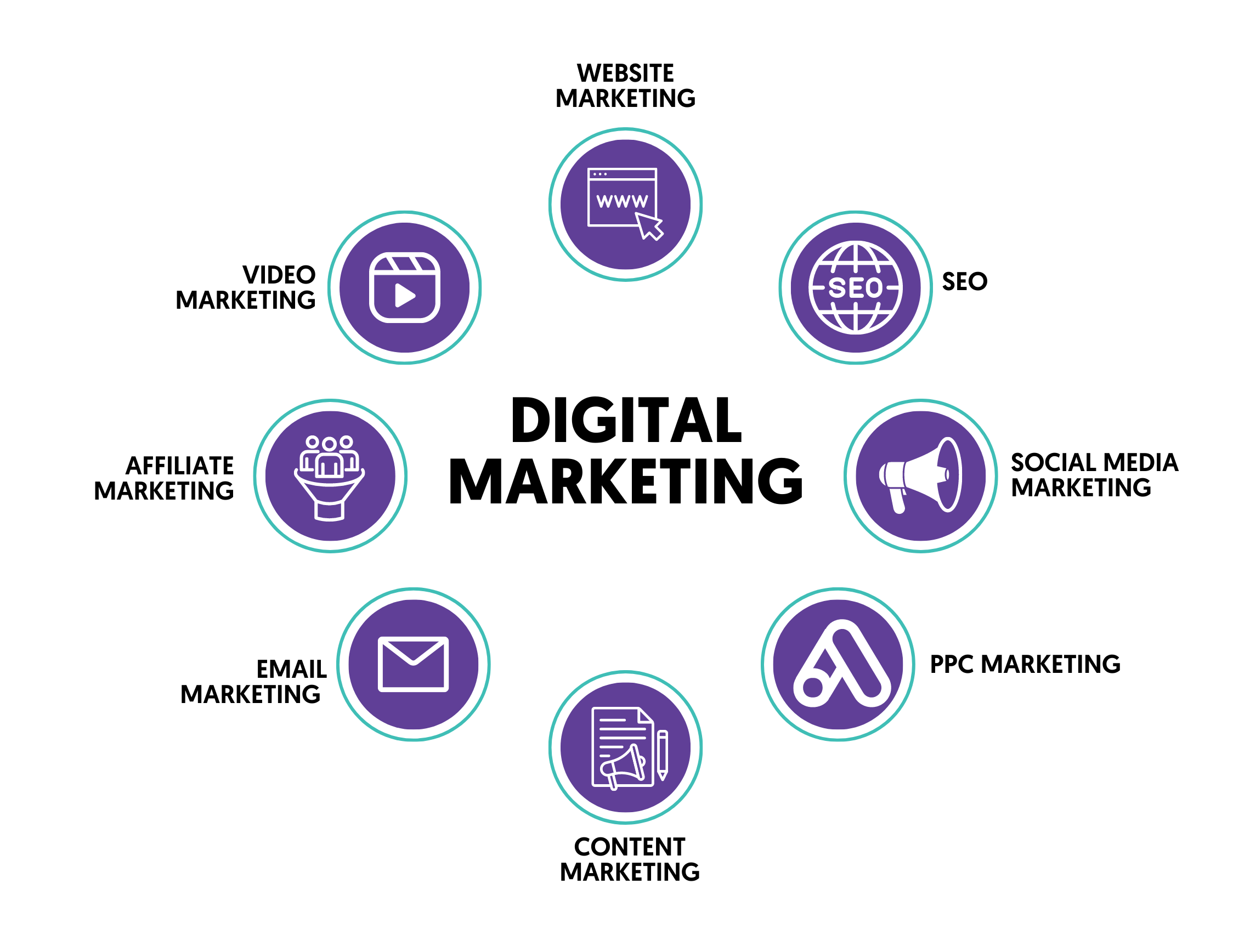
The Core Components of Digital Marketing
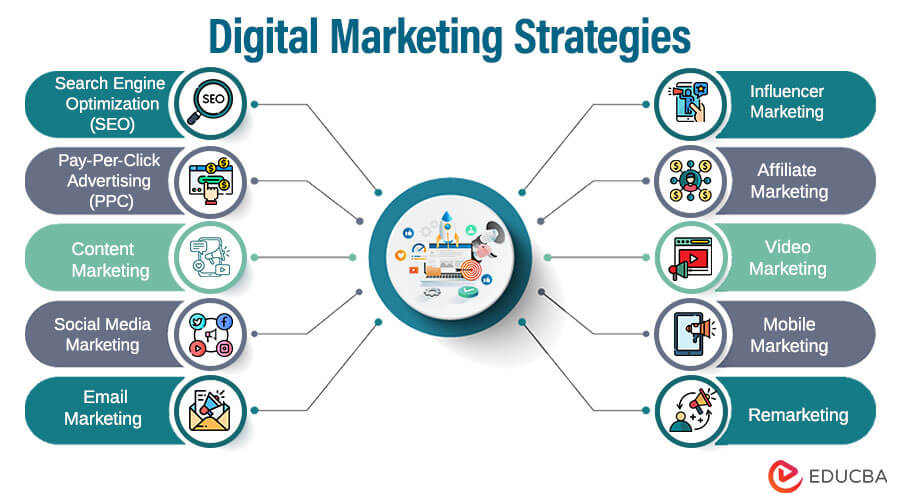
Website Marketing: Your website serves as the foundation of your online presence. It's where potential customers learn about your products or services, engage with your content, and ultimately make purchasing decisions.
Content Marketing: This involves creating and distributing valuable, relevant content to attract and engage a target audience. Content can take many forms, including blog posts, videos, infographics, and podcasts.
Search Engine Optimisation (SEO): The process of optimising your website to rank higher in search engine results pages (SERPs), thereby increasing visibility and organic traffic.
Social Media Marketing: Promoting your brand and content on social media platforms to increase brand awareness, drive traffic, and generate leads.
Email Marketing: Sending targeted emails to prospects and customers to nurture relationships and drive conversions.
Pay-Per-Click (PPC) Advertising: Placing ads on search engines and social media platforms, where you pay a fee each time your ad is clicked.
Affiliate Marketing: Partnering with individuals or companies who promote your products in exchange for a commission on sales generated through their efforts.
As a beginner, you don't need to master all these components at once. Start by understanding the basics and gradually expand your knowledge and skills as you gain experience.
How to Start Online Marketing from Scratch
Starting your internet marketing journey from scratch might seem overwhelming, but breaking it down into manageable steps makes the process more accessible.
Define Your Goals and Target Audience
Before diving into tactics, clearly define what you want to achieve with your digital marketing efforts. Common goals include increasing brand awareness, generating leads, driving website traffic, or boosting sales. Additionally, identify your target audience by creating detailed buyer personas—fictional representations of your ideal customers based on research and real data.
Create a Professional Website
Your website is often the first point of contact between your brand and potential customers. Ensure it's professional, mobile-responsive, and user-friendly. Include essential elements such as:
- Clear navigation
- About page
- Products/services information
- Contact details
- Call-to-action buttons
- Blog section
Implement Basic SEO Strategies
Optimise your website for search engines to improve visibility and attract organic traffic:
- Conduct keyword research to identify terms your target audience is searching for
- Optimise page titles, meta descriptions, and content with relevant keywords
- Create high-quality, original content that addresses your audience's needs
- Improve site speed and mobile-friendliness
- Build quality backlinks from reputable websites
Establish Social Media Presence
Choose social media platforms where your target audience is most active and create consistent, engaging content. Focus on quality rather than quantity—it's better to maintain a strong presence on one or two platforms than to spread yourself too thin across multiple channels.
Start Email Marketing
Build an email list by offering valuable content or incentives in exchange for email addresses. Send regular newsletters with useful information, updates, and special offers to nurture relationships with subscribers and drive conversions.
Best Free Tools for Internet Marketing
One of the advantages of digital marketing is the availability of numerous free tools that can help beginners implement effective strategies without significant investment.
SEO Tools
- Google Search Console: Monitor and maintain your site's presence in Google search results
- Google Analytics: Track website traffic, user behaviour, and conversion rates
- Ubersuggest: Keyword research, content ideas, and SEO recommendations
- Answer the Public: Discover what people are asking about your topic
Content Marketing Tools
- Canva: Create professional-looking graphics for social media, blogs, and marketing materials
- Grammarly: Check content for grammatical errors and improve writing quality
- Hemingway Editor: Make your writing clear, bold, and concise
- WordPress: Build and manage a professional website or blog
Social Media Tools
- Hootsuite (free plan): Schedule posts and manage multiple social media accounts
- Buffer (free plan): Plan and schedule social media content
- GIPHY: Add GIFs to your social media content
- Unsplash: Access high-quality, free stock photos
Email Marketing Tools
- Mailchimp (free plan): Send marketing emails, create sign-up forms, and analyse results
- SendinBlue (free plan): Email marketing platform with automation capabilities
- HubSpot Email Marketing (free plan): Create, personalise, and optimise marketing emails

These free tools provide beginners with the essential resources needed to implement effective digital marketing strategies without a significant financial investment.
Digital Marketing Basics Step by Step
Let's break down the digital marketing process into manageable steps to help beginners create a structured approach.
Step 1: Market Research
Understand your industry, competitors, and target audience before developing your marketing strategy. Identify market trends, customer needs, and gaps in the market that your business can fill.
Step 2: Set SMART Goals
Establish Specific, Measurable, Achievable, Relevant, and Time-bound (SMART) goals for your digital marketing efforts. For example, "Increase website traffic by 20% within three months" or "Generate 50 new leads per month through social media."
Step 3: Develop a Content Strategy
Create a content plan that addresses your audience's needs at different stages of the buyer's journey:
- Awareness stage: Educational blog posts, infographics, and videos
- Consideration stage: Case studies, comparison guides, and webinars
- Decision stage: Testimonials, product demos, and special offers
Step 4: Implement SEO Best Practices
Optimise your website and content for search engines to improve visibility and attract organic traffic. Focus on both on-page SEO (content, keywords, meta tags) and off-page SEO (backlinks, social signals).
Step 5: Leverage Social Media
Choose the right social media platforms for your business and create a consistent posting schedule. Engage with your audience through comments, messages, and interactive content.
Step 6: Implement Email Marketing
Build and nurture your email list through lead magnets, newsletters, and personalised campaigns. Segment your audience to deliver more relevant content and offers.
Step 7: Consider Paid Advertising
Once you've established organic marketing channels, explore paid advertising options such as Google Ads, Facebook Ads, or LinkedIn Ads to reach a wider audience and achieve specific goals.
Step 8: Monitor, Analyse, and Adjust
Regularly track your performance using analytics tools, evaluate what's working and what's not, and adjust your strategy accordingly. Digital marketing is an ongoing process that requires continuous optimisation.
Social Media Marketing for Beginners
Social media has revolutionised how brands connect with their audiences. For beginners, understanding the fundamentals of social media marketing is essential for building a strong online presence.
Choose the Right Platforms
Not all social media platforms are suitable for every business. Consider your target audience, industry, and content type when selecting platforms:
- Facebook: Broad demographic reach, ideal for B2C businesses
- Instagram: Visual content, popular among younger audiences
- LinkedIn: Professional networking, perfect for B2B marketing
- Twitter: Real-time updates and customer service
- Pinterest: Visual discovery, particularly effective for retail, fashion, and food
- TikTok: Short-form video content, extremely popular among Gen Z
Create a Content Calendar
Plan your social media content in advance to maintain consistency and ensure a balanced mix of content types. Include:
- Educational content (how-to guides, tips)
- Entertaining content (behind-the-scenes, fun facts)
- Promotional content (product features, special offers)
- User-generated content (customer testimonials, reviews)
Engage With Your Audience
Social media is about building relationships, not just broadcasting messages. Respond to comments and messages promptly, ask questions to encourage interaction, and participate in relevant conversations.
Leverage Visual Content
Visual content typically generates higher engagement rates than text-only posts. Incorporate high-quality images, videos, GIFs, and infographics into your social media strategy.
Analyse Performance
Use platform-specific analytics tools to track performance metrics such as reach, engagement, click-through rates, and conversions. Use these insights to refine your strategy and improve results.
Email Marketing Tutorial for Beginners
Email marketing remains one of the most effective digital marketing channels, with an impressive return on investment. Here's how beginners can get started:
Build a Quality Email List
Focus on growing an organic email list through:
- Sign-up forms on your website
- Lead magnets (free ebooks, webinars, templates)
- Social media promotions
- In-person events
- Contests and giveaways
Avoid purchasing email lists, as this can damage your sender reputation and result in poor engagement.
Segment Your Audience
Divide your email list into smaller segments based on demographics, behaviour, or preferences to deliver more relevant content and offers:
- New subscribers
- Active customers
- Inactive subscribers
- Product interest
- Purchase history
Create Compelling Email Content
Craft emails that provide value to your subscribers:
- Clear, concise subject lines
- Personalised content
- Valuable information or offers
- Strong call-to-action
- Mobile-friendly design
Implement Automation
Set up automated email sequences for common scenarios:
- Welcome series for new subscribers
- Abandoned cart reminders
- Post-purchase follow-ups
- Re-engagement campaigns for inactive subscribers
Test and Optimise
Continuously improve your email marketing through A/B testing various elements:
- Subject lines
- Send times
- Email design
- Call-to-action buttons
- Content length and format
Affiliate Marketing Guide for Newbies
Affiliate marketing is a performance-based marketing model where you earn commissions for promoting other companies' products or services. It's an excellent entry point for beginners looking to generate income through digital marketing.
How Affiliate Marketing Works
- You join an affiliate programme or network
- You receive a unique affiliate link to promote products
- You share this link through your website, social media, or email
- When someone clicks your link and makes a purchase, you earn a commission
Finding Affiliate Programmes
Several options are available for finding affiliate programmes:
- Affiliate networks: Amazon Associates, ShareASale, Commission Junction
- Direct programmes: Many companies offer their own affiliate programmes
- Niche-specific programmes: Related to particular industries or interests
Choosing the Right Products
Select products that:
- Align with your audience's interests and needs
- You personally use or believe in
- Offer competitive commission rates
- Provide marketing resources and support
Promoting Affiliate Products
Effective strategies for promoting affiliate products include:
- Creating product reviews and comparisons
- Producing tutorial or demonstration videos
- Writing helpful buying guides
- Sharing personal experiences with the product
- Creating resource pages with recommended tools
Disclosure Requirements
Always disclose your affiliate relationships to your audience. This is not only an ethical practice but also a legal requirement in many countries, including the UK with regulations from the Advertising Standards Authority (ASA).
SEO Basics for Complete Beginners
Search Engine Optimisation (SEO) helps your website rank higher in search engine results, driving organic traffic to your site. Here's what beginners need to know:
Understanding How Search Engines Work
Search engines use complex algorithms to crawl, index, and rank web pages based on hundreds of factors. The primary goal is to provide users with the most relevant, high-quality results for their queries.
Keyword Research
Identify terms your target audience is searching for:
- Brainstorm relevant topics related to your business
- Use keyword research tools (Google Keyword Planner, Ubersuggest) to expand your list
- Analyse search volume and competition
- Select a mix of short and long-tail keywords
On-Page SEO
Optimise individual web pages to rank higher in search results:
- Use keywords in titles, headings, and content
- Create valuable, comprehensive content
- Optimise meta descriptions and image alt text
- Improve page loading speed
- Ensure mobile-friendliness
Off-Page SEO
Build your site's authority through external signals:
- Earn quality backlinks from reputable websites
- Engage on social media platforms
- Create shareable content that naturally attracts links
- Guest post on relevant industry blogs
- List your business in online directories
Technical SEO
Ensure your website's technical aspects support search engine crawling and indexing:
- Create a clear site structure
- Submit an XML sitemap to search engines
- Fix broken links and redirect errors
- Secure your site with HTTPS
- Optimise for mobile devices
How to Drive Traffic to Website Free
Driving traffic to your website doesn't always require a substantial budget. Here are effective free methods for increasing your website visitors:
Create High-Quality Content
Develop valuable, informative content that addresses your audience's questions and needs. Focus on creating:
- In-depth blog posts
- How-to guides and tutorials
- Infographics and visual content
- Videos and podcasts
- Free tools or resources
Optimise for Long-Tail Keywords
Target specific, less competitive long-tail keywords that have clear search intent. These typically have lower search volume but higher conversion potential.
Guest Blogging
Write articles for other websites in your industry to reach new audiences and build backlinks to your site. Focus on quality over quantity and ensure your guest posts provide genuine value.
Engage on Social Media
Share your content across relevant social media platforms and actively engage with your audience. Join industry groups and participate in discussions to establish your expertise.
Answer Questions on Forums
Provide helpful answers on platforms like Quora, Reddit, or industry-specific forums. Include links to relevant content on your website when appropriate, but focus on being genuinely helpful rather than promotional.
Collaborate With Others
Partner with complementary businesses or influencers in your industry for cross-promotion, joint webinars, or content collaborations that can introduce your website to new audiences.
Email Newsletter
Send regular updates to your email subscribers with links to your latest content, encouraging them to visit your website and share your content with others.
Internet Marketing Strategies That Work
Developing an effective internet marketing strategy requires a combination of various digital marketing tactics tailored to your specific business goals and target audience.
Content Marketing Strategy
Content marketing forms the foundation of most successful digital marketing strategies. By creating valuable, relevant content, you can attract, engage, and convert your target audience while building trust and authority in your industry.
Key elements of an effective content marketing strategy include:
- Content audit: Assess your existing content and identify gaps and opportunities
- Content calendar: Plan and schedule content creation and publication
- Content distribution: Share your content across multiple channels
- Content repurposing: Transform existing content into different formats
- Performance analysis: Track metrics to evaluate content effectiveness
Integrated Approach
The most successful internet marketing strategies integrate multiple channels and tactics to create a cohesive customer experience. This might include:
- Using SEO to drive traffic to your website
- Converting visitors into leads through compelling content and opt-in offers
- Nurturing leads with email marketing campaigns
- Retargeting interested prospects with social media ads
- Converting leads into customers through persuasive landing pages and offers
Focus on User Experience
In today's competitive digital landscape, providing an exceptional user experience is crucial for marketing success. This includes:
- Fast-loading, mobile-friendly websites
- Intuitive navigation and clear calls-to-action
- Personalised content based on user preferences and behaviour
- Seamless checkout processes for e-commerce sites
- Responsive customer service across all channels
Data-Driven Decision Making
Successful internet marketers rely on data rather than assumptions to guide their strategies:
- Set up proper tracking for all marketing activities
- Establish key performance indicators (KPIs) aligned with business goals
- Regularly analyse performance data to identify trends and opportunities
- A/B test different approaches to optimise results
- Adjust strategies based on insights rather than hunches
Adaptation and Evolution
The digital landscape is constantly changing, with new platforms, technologies, and consumer behaviours emerging regularly. Successful internet marketing strategies must be flexible and adaptable:
- Stay informed about industry trends and changes
- Experiment with new platforms and formats
- Be willing to pivot when certain tactics aren't delivering results
- Continuously learn and develop new skills
The Internet Marketing Landscape
Internet marketing consists of multiple channels and strategies that work together to achieve your marketing goals. Here's a comprehensive table outlining the key components of internet marketing, their primary functions, difficulty levels for beginners, and recommended free tools:
| Component | Primary Function | Beginner Difficulty (1-5) | Recommended Free Tools | Typical Results Timeline |
|---|---|---|---|---|
| Website Development | Foundation of online presence | 3 | WordPress, Wix, Google Sites | 1-3 months |
| SEO | Improve organic search visibility | 4 | Google Search Console, Ubersuggest, Yoast SEO | 3-6+ months |
| Content Marketing | Attract and engage audience | 3 | Canva, Grammarly, Google Docs | 2-6 months |
| Social Media Marketing | Build community and awareness | 2 | Buffer, Hootsuite, Later | 1-3 months |
| Email Marketing | Nurture leads and customers | 2 | Mailchimp, SendinBlue, HubSpot | 1-2 months |
| PPC Advertising | Generate immediate traffic | 4 | Google Ads (with credits), Facebook Ads Manager | Immediate |
| Affiliate Marketing | Earn commissions from referrals | 3 | Amazon Associates, ShareASale | 3-6 months |
| Analytics | Measure and optimise performance | 3 | Google Analytics, Hotjar (basic) | Ongoing |
| Video Marketing | Engage through visual content | 3 | YouTube Studio, Canva, DaVinci Resolve | 2-4 months |
| Local SEO | Attract local customers | 3 | Google Business Profile, Bing Places, Moz Local | 1-3 months |
This table provides a framework for understanding the various components of internet marketing and can help beginners prioritise which aspects to focus on based on their specific goals, resources, and timeline.
Digital Marketing in Action: Watch and Learn
Visual learning can significantly enhance your understanding of digital marketing concepts. Here are two informative videos that break down the fundamentals of digital marketing for beginners:
Digital Marketing 101: A Beginner's Guide to Marketing
In this comprehensive guide, Adam Erhart explains the core concepts of digital marketing, including the differences between traditional and digital marketing, strategy versus tactics, organic versus paid marketing, and the essential "Core Four" model for marketing success. This video provides an excellent foundation for beginners looking to understand the fundamental principles of digital marketing. YouTube Source
Digital Marketing 101: A Complete Beginner's Guide to Marketing
Laurie Wang, a digital marketing strategist, provides a clear and concise explanation of digital marketing fundamentals in this video. She covers the differences between traditional and digital marketing, audience research, various digital marketing channels, and the concept of the marketing funnel. The video emphasises the importance of knowing your audience and measuring your marketing efforts for continuous improvement. YouTube Source
These videos offer valuable insights and practical advice for beginners embarking on their internet marketing journey.
Conclusion: Your Internet Marketing Journey
Internet marketing offers unprecedented opportunities for businesses of all sizes to reach their target audience, build brand awareness, and drive growth. As a beginner, the digital landscape may seem overwhelming at first, but by understanding the fundamental principles and implementing them systematically, you can develop an effective internet marketing strategy that delivers results.
Remember that successful internet marketing is not about implementing every available tactic but rather selecting the right mix of strategies that align with your business goals, resources, and target audience. Start with the basics—creating a professional website, implementing basic SEO, establishing a social media presence, and building an email list—and gradually expand your efforts as you gain experience and see results.
The digital landscape is constantly evolving, with new platforms, tools, and strategies emerging regularly. Stay informed about industry trends, be willing to adapt your approach, and continuously learn and develop your skills to stay ahead of the curve.
Most importantly, focus on providing value to your audience through helpful, relevant content and exceptional customer experiences. By putting your audience's needs first and consistently delivering value, you'll build trust, establish authority, and create lasting relationships that drive business success.
Internet marketing is a journey, not a destination. Embrace the learning process, celebrate small wins, learn from setbacks, and continuously refine your approach based on data and insights. With persistence, patience, and a strategic approach, you can leverage the power of internet marketing to achieve your business objectives and thrive in the digital age.
Frequently Asked Questions
What is the difference between internet marketing and traditional marketing?
Internet marketing utilises digital channels like websites, social media, email, and search engines to reach audiences, while traditional marketing relies on print, television, radio, and billboards. Digital marketing offers advantages such as precise targeting, real-time data analysis, cost-effectiveness, and global reach, whereas traditional marketing typically involves higher costs and less measurable results.
Do I need technical skills to start internet marketing?
While technical skills can be beneficial, they're not essential for beginners. Many digital marketing tools and platforms are designed to be user-friendly with intuitive interfaces. As you progress, you may want to develop basic skills in areas like website management, analytics interpretation, and content creation, but you can start with minimal technical knowledge and learn as you go.
How much does it cost to start internet marketing?
You can start internet marketing with minimal investment by utilising free tools and platforms. Creating a website might cost as little as the domain and hosting fees (approximately £50-£150 annually), and many social media platforms, basic email marketing tools, and SEO resources are available for free. As your business grows, you can invest in premium tools, paid advertising, and professional services to scale your efforts.
How long does it take to see results from internet marketing?
The timeline for seeing results varies depending on the strategies implemented and your specific goals. Some tactics, like pay-per-click advertising, can generate immediate traffic, while others, such as SEO and content marketing, typically take 3-6 months or longer to show significant results. Building a substantial email list or social media following may take several months of consistent effort.
Which social media platform should I focus on first?
Choose the platform where your target audience is most active rather than trying to maintain a presence on every platform. Research demographic data for different platforms and consider your content type and business goals. For B2B companies, LinkedIn might be most effective; for visually-oriented businesses, Instagram or Pinterest could be better choices; for broad consumer reach, Facebook remains valuable.
Is blogging still important for internet marketing?
Yes, blogging remains a valuable component of internet marketing. Regular, high-quality blog content helps improve SEO, establish industry authority, provide value to your audience, and create shareable assets for social media. Blogs also give you owned content that isn't subject to the changing algorithms of social media platforms or search engines.
How do I measure the success of my internet marketing efforts?
Set clear, measurable goals aligned with your business objectives, then track relevant metrics using tools like Google Analytics, social media insights, and email marketing analytics. Key performance indicators might include website traffic, conversion rates, email open rates, social media engagement, lead generation numbers, and ultimately, sales and revenue growth attributable to your marketing channels.
Can I do internet marketing myself, or should I hire a professional?
Many small business owners and entrepreneurs successfully manage their internet marketing, especially when starting out. Begin by learning the fundamentals and implementing basic strategies yourself. As your business grows or if you find certain aspects challenging, consider outsourcing specific tasks or hiring a professional for more complex strategies while maintaining oversight of your overall marketing direction.
What are the biggest mistakes beginners make in internet marketing?
Common mistakes include trying to be present on too many platforms at once, focusing on followers/likes rather than engagement and conversions, neglecting to define a target audience, inconsistent posting or communication, expecting immediate results from long-term strategies like SEO, and failing to analyse data to inform decisions. Avoid these pitfalls by creating a focused strategy with realistic expectations and measurable goals.
How often should I update my internet marketing strategy?
Review your strategy quarterly to assess performance and make minor adjustments. Conduct a more comprehensive evaluation annually or whenever significant changes occur in your business, industry, or the digital landscape. While consistency is important, being adaptable and responsive to data insights and market changes is equally crucial for long-term success.


